
Attendee Well-Being as Event Strategy: How Wellness Is Reshaping MICE Design in 2026
With 90% of professionals reporting burnout symptoms and Gen Z demanding wellness-first experiences, the MICE industry is embedding well-being into event design. From the festivalization of wellness to science-backed session formats, leading planners are making attendee health a core strategy, not a perk.
The global wellness economy is now valued at $6.8 trillion, according to the Global Wellness Summit. At the same time, 90% of professionals report experiencing burnout symptoms in the past year, according to Wellhub. These two forces are colliding in the MICE industry, where attendee well-being is no longer an afterthought—it’s becoming a core design principle that shapes everything from session length to venue selection to post-event follow-up.
The Burnout Crisis Meets the Events Industry
Why Attendees Are Arriving Already Depleted
The traditional model of MICE events—packed agendas, back-to-back sessions, late-night networking—was designed for an era when burnout wasn’t a mainstream concern. That era is over.
Consider the state of the modern professional arriving at your event:
- 90% have experienced burnout symptoms in the past year, according to Wellhub
- 54% rate their mental health as good or thriving, meaning 46% do not, according to Vantage Fit
- 74% of Gen Z rank on-demand mental health support as their top wellness priority, according to Wellhub
- 62% say community and social support are essential for sustaining long-term wellness, according to Wellhub
Event planners who ignore these realities are designing for an audience that no longer exists. The attendees of 2026 need events that restore energy, not drain it.
The Cost of Getting It Wrong
Event fatigue isn’t just uncomfortable—it directly undermines the business case for MICE events. Fatigued attendees:
- Retain less from sessions and keynotes
- Network less effectively, defeating a primary attendance motivation
- Leave early or skip sessions entirely on final days
- Report lower satisfaction and are less likely to return
When 71% of meeting professionals expect costs to increase in 2026, according to Amex GBT via Event Tech Live, every dollar spent on an event needs to deliver maximum impact. Wellness-centered design isn’t a luxury—it’s how you protect your investment.
The Five Pillars of Wellness-First Event Design
1. Session Architecture That Respects Cognitive Limits
The science is clear: human attention and cognitive processing have natural limits that traditional event schedules ignore.
Best practices for 2026:
- Keep sessions between 20 and 45 minutes to align with natural attention spans, according to CROW Practice
- Build 15–20 minute recovery breaks between sessions—not 5-minute hallway scrambles
- Front-load high-cognitive-demand content in the morning when attention is highest
- Limit the daily session count to 4–5 substantive sessions rather than 8–10
- Design “white space” in agendas where nothing is scheduled, giving attendees autonomy over their time
2. Movement and Physical Wellness Integration
Sitting in conference chairs for 8 hours isn’t just uncomfortable—it actively reduces cognitive performance. Leading events in 2026 are building movement into the event itself:
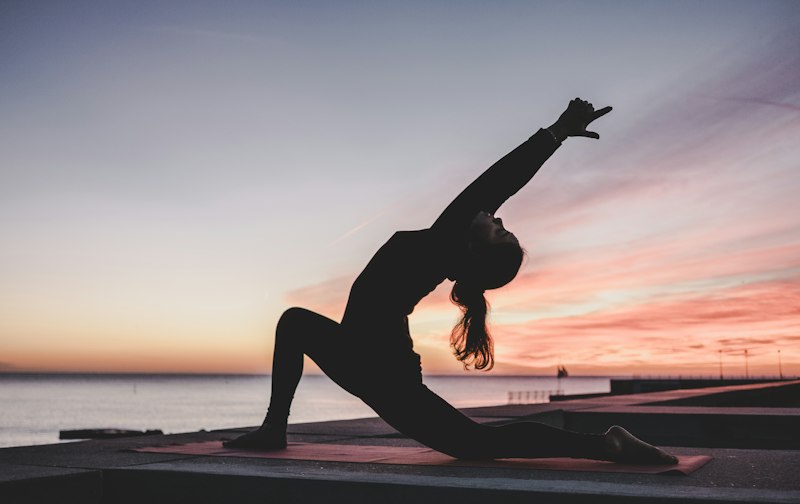
- Morning wellness sessions: Yoga, stretching, guided walks, or meditation before the agenda begins
- Active networking formats: Walking meetings, standing receptions, outdoor breakout sessions
- Wellness zones: Dedicated quiet rooms, meditation spaces, and stretching areas available throughout the day
- Healthy catering by design: Moving beyond the continental breakfast pastry pile to offer nutrient-dense options, hydration stations, and meals timed to sustain energy rather than cause post-lunch crashes
According to InEvent, wellness activities at conferences decrease stress levels and keep attendees energized throughout multi-day events.
3. Mental Health and Emotional Safety
For the first time, mental health is being explicitly addressed in MICE event design:
- Quiet rooms and decompression spaces are becoming standard at major conferences
- On-site wellness professionals (counselors, coaches, mindfulness facilitators) are available for drop-in sessions
- Sensory-friendly design: Controlling noise levels, lighting intensity, and crowd density to reduce overstimulation
- Inclusive scheduling: Offering content asynchronously so attendees can step away without missing critical sessions
With 91% of Gen Z considering wellness programs non-negotiable, according to Wellhub, events that fail to address mental health will increasingly lose younger attendees to competitors that do.
4. The Festivalization of Wellness
One of the most striking trends identified by the Global Wellness Summit for 2026 is the “festivalization of wellness”—the blending of wellness practices with festival-like communal experiences.
This trend is already reshaping MICE events in practical ways:
- Sober morning dance events and wellness raves are being integrated into conference programs as energizing alternatives to traditional cocktail networking
- Multi-day immersive wellness experiences are replacing generic team-building activities at incentive events
- Breathwork, sound baths, and somatic experiences are appearing at mainstream business conferences, not just wellness retreats
- Luxury venue partners like Six Senses and SHA Wellness are creating event packages that combine business programming with wellness immersion
The core insight is powerful: wellness experiences that are social, joyful, and identity-affirming drive deeper engagement than individual-focused perks like spa vouchers. As the Global Wellness Summit puts it, these events emphasize “participation over performance” and create judgment-free spaces where attendees can recharge collectively.
5. Technology-Enabled Well-Being
The corporate wellness software market reached $1.7 billion in 2025 and is projected to hit $3.1 billion by 2035, according to 9cv9. This technology is now being adapted for events:
- AI-powered scheduling that builds wellness breaks into personalized agendas automatically
- Wearable integrations that help attendees monitor stress and energy levels throughout the event
- Real-time engagement dashboards that alert planners when session fatigue patterns emerge
- Post-event wellness follow-up: Automated check-ins and resource sharing to extend the wellness impact beyond the event itself
Measuring the ROI of Wellness-First Design
The Business Case Is Compelling
Wellness isn’t just a feel-good initiative—it delivers measurable business outcomes for event organizers:
- Higher retention: Attendees who feel physically and mentally supported stay engaged through the final session, not just the opening keynote
- Better networking outcomes: Rested, energized attendees have more productive conversations
- Stronger NPS scores: Events that prioritize well-being consistently score higher in post-event satisfaction surveys
- Increased return rates: Attendees are more likely to register for future events when they associate the brand with a positive, restorative experience
KPIs to Track
Forward-thinking event planners are adding wellness metrics to their measurement frameworks:
- Session completion rates by time of day (wellness-designed events show flatter drop-off curves)
- Wellness activity participation and correlation with overall satisfaction scores
- Energy and mood surveys at multiple points during the event
- Post-event productivity metrics from attendees’ organizations
- Year-over-year return rates compared to pre-wellness-design benchmarks
A Practical Wellness Checklist for Event Planners
Whether you’re planning a 50-person executive retreat or a 5,000-person conference, these principles apply:
Audit your agenda for cognitive overload: If you have more than 5 hours of programming per day with breaks under 15 minutes, you’re burning out your attendees
Add at least one daily wellness touchpoint: Morning movement, midday meditation, or an afternoon outdoor break. Start small if needed
Create a dedicated quiet space: Even a single room with comfortable seating, dim lighting, and a “no phones” policy makes a difference
Rethink your F&B strategy: Replace sugar-heavy snacks with sustained-energy options. Ensure water is accessible everywhere, not just at meal stations
Offer schedule flexibility: Record sessions and provide async access so attendees can step away without FOMO
Brief your speakers: Ask presenters to build interaction and movement into their sessions rather than delivering 60-minute monologues
Communicate wellness as a feature, not an afterthought: Highlight well-being elements in your event marketing. For Gen Z attendees especially, this is a deciding factor
What This Means for the MICE Industry
The wellness integration trend isn’t a passing fad—it’s a structural shift driven by demographics, science, and economics:
- Demographics: Gen Z and Millennials now dominate the workforce and they expect wellness to be embedded in every professional experience
- Science: Research on cognitive performance, attention spans, and stress physiology makes it clear that traditional event formats are suboptimal
- Economics: With the MICE market projected to reach $2.1 trillion by 2035, according to Precedence Research, competition for attendee attention and loyalty will intensify. Events that protect and enhance attendee well-being will have a decisive advantage
The event planners who thrive in 2026 and beyond won’t be the ones with the biggest budgets or the flashiest venues. They’ll be the ones who understand that a well-rested, energized, mentally present attendee is the foundation of every successful event outcome.
Data sources: Global Wellness Summit — 2026 Trends, Wellhub — Corporate Wellness Trends 2026, Vantage Fit — Corporate Wellness Programs 2026, Global Wellness Summit — Festivalization of Wellness, 9cv9 — Corporate Wellness Software Statistics 2026, Precedence Research — MICE Market 2026–2035, Event Tech Live — AI and the Reinvention of B2B Events in 2026, CROW Practice — Benefits of Wellness at Conferences, InEvent — Wellness and Mindfulness in Events.
Daniel Schaurich
Written by
Share this article